
Urinary incontinence surgery
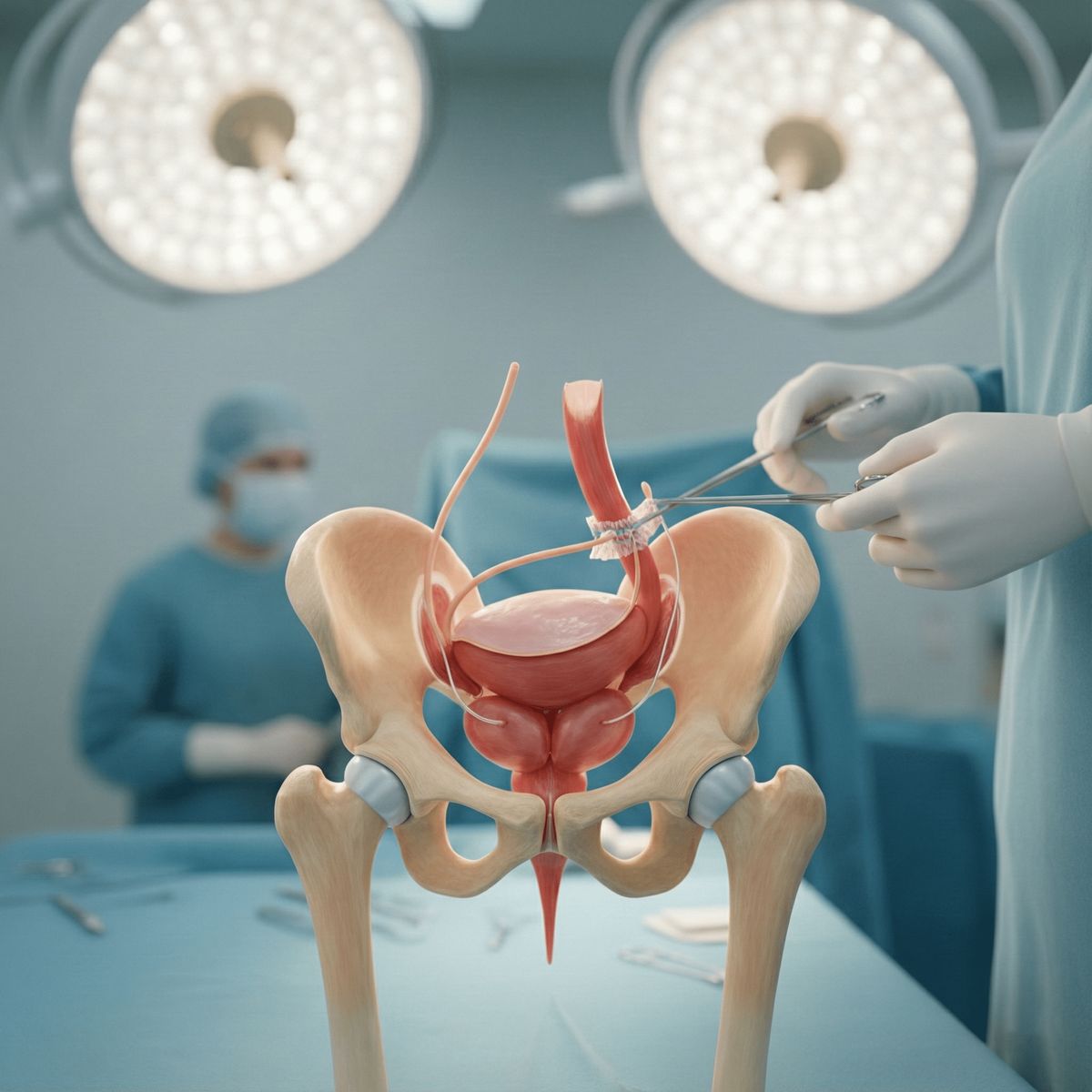
What is urinary incontinence?
Urinary incontinence is the involuntary loss of urine. It may be due to effort (coughing, sport…), to a pressing urge that cannot be held back, or to a malfunction of the sphincter.
⚠️ It can have a major impact on quality of life: social discomfort, activity limitations, intimate discomfort.
💡 When medical treatments or rehabilitation aren’t enough, surgical management can offer lasting relief.
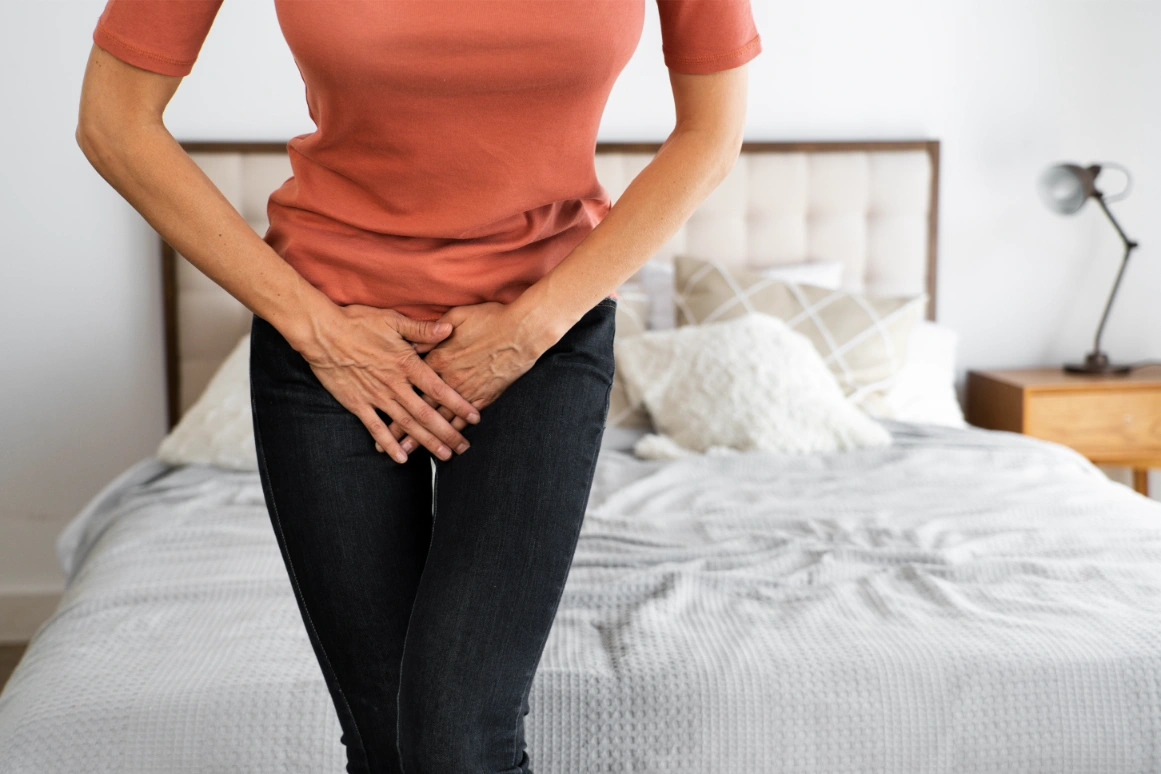
The different types of incontinence
1️⃣ Stress urinary incontinence (SUI)
- Urine loss on exertion: coughing, laughing, brisk walking, carrying loads.
- Often linked to a lack of urethral support or pelvic tissue weakness.
2️⃣ Urge incontinence (IUU)
- Urgent desires that can’t be postponed.
- Associated with bladder hyperactivity or involuntary detrusor contractions.
3️⃣ Mixed incontinence
- Association of effort + urgency.
4️⃣ Incontinence due to sphincter failure
- Continuous or quasi-continuous leakage due to weak sphincter (prostatectomy, previous surgery, etc.).
When should surgery be recommended?
Surgery is considered when :
✔ Perineal rehabilitation was performed without sufficient improvement.
✔ Medications are ineffective or poorly tolerated.
✔ Urinary leakage has a major impact on daily life.
✔ The urological workup (clinical examination + urodynamics) confirms an anatomical or functional cause that may benefit from surgical intervention.
The main surgical options
Depending on the origin of the incontinence, several techniques can be proposed:
1️⃣ Suburethral tape (TVT / TOT) – female
- Supports the urethra like a “hammock”.
- Indicated for female stress incontinence.
- Minimally invasive technique, rapid results.
2️⃣ Peri-urethral balloons
- Implantation of two balloons around the urethra to increase resistance.
- Adjustable in consultation.
- Interesting solution in cases of moderate SUI or strip failure.
3️⃣ Artificial urinary sphincter (AUS) – especially in men
- Reference treatment for severe sphincter failure.
- A cuff surrounds the urethra and deflates during urination.
- Very good results after prostatectomy.
4️⃣ Peri-urethral injections
- Filling around the urethra to improve coaptation.
- Minimally invasive solution, but sometimes transient effect.
5️⃣ Prolapse + incontinence surgery
- Some organ descent leads to or aggravates incontinence.
- Surgical correction of the prolapse and possible insertion of a sling.
Procedure
1. Before surgery
- Urodynamic assessment
- ECBU (to check for infection)
- Anesthesia consultation
- Discussion of the choice of technique according to the patient’s profile
2. Day of operation
- Often minimally invasive and fast (20 to 60 min).
- Performed under local, spinal or general anesthesia.
3. After the operation
- Same-day or next-day return home.
- Rapid return to daily activities, depending on the gesture.
- Remote monitoring to assess effectiveness.
Benefits of surgery
✔ Minimally invasive procedures enabling rapid recovery and a return to activity within the first few days.
✔ Effective solutions that directly target the cause of leakage to restore lasting continence.
✔ Significant improvement in quality of life, intimate comfort and confidence in everyday life.
Risks and limits
As with any intervention, there are limits:
- Post-operative infection or hematoma
- Urinary retention (rare) depending on voltage or device
- Transient pain (groin, perineum, operated area)
- Risk of failure or partial improvement depending on technique
- Specific risks: erosion (strip), mechanical dysfunction (AUS)
📌 The precise choice of technique strongly influences the result: hence the importance of expert assessment.
Urinary incontinence specialist
Prof. François Haab has recognized expertise in the treatment of incontinence in both men and women.
✔ Mastery of minimally invasive techniques (strips, balloons, AUS).
✔ Personalized care based on urodynamic assessment.
✔ Careful monitoring before and after surgery to optimize results.
My video review
Discover my explanatory videos on incontinence for men and women.
Make an appointment
I welcome you to my office in Paris to discuss your expectations and propose the most appropriate solution.